
Preparing for a Diabetic Eye Exam in Bradenton: Health Updates and Vision Questions to Share
Preparing for a Diabetic Eye Exam in Bradenton: Health Updates and Vision Questions to Share
If the print on your phone looks blurry some mornings and sharp on others, that pattern is worth mentioning at your next diabetic eye exam. The exam matters even when your glasses work well. Diabetes can damage the small blood vessels in your retina, the light-sensitive tissue at the back of your eye, before you notice a change in vision.
At our Bradenton office, we use your health history and what we see during the exam to explain how diabetes may be affecting your eyes. A few notes from home can help you remember what you want to discuss.
Health Updates to Bring to Your Exam
You can jot these details down or pull them up in your patient portal before your visit:
When you were diagnosed with diabetes and which type you have
Your latest A1C result, if you know it, and any recent changes in your blood sugar readings
Your current medications and eye drops, including any recent dose changes
Recent blood pressure readings or changes in your blood pressure treatment
The date of your last dilated eye exam and any previous treatment for diabetic retinopathy
How to Describe a Change in Vision
Think of a specific moment when you noticed a difference. Maybe street signs looked less distinct through one eye, or the numbers on your glucose meter became harder to read. Tell us when it started, whether it affects one or both eyes, and whether the change comes and goes. If your blood sugar was running higher than usual around that time, mention that, too. Blood sugar shifts can temporarily blur vision, and the eye exam helps us look for other causes.
Some changes need immediate attention. If you suddenly see many new floaters, flashes of light, or a curtain-like shadow across your vision, seek emergency eye care right away.
Questions to Ask About Your Results
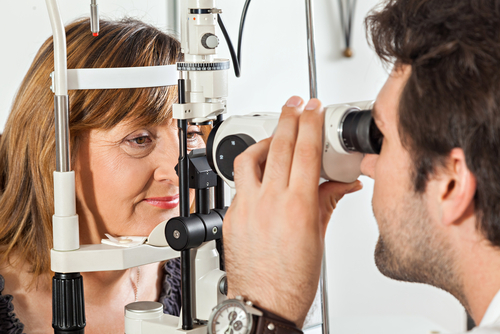
During a dilated exam, we use drops to widen your pupils so we can examine the retina. Bring sunglasses and arrange a ride home, since glare and blurry near vision can last a few hours.
After we examine your eyes, a good question to start with is, “Did you see any signs of diabetic retinopathy in either eye?” If you have had an exam with us before, you can also ask what has changed since your last visit. Before you leave, ask when we recommend checking your eyes again and which findings to share with the clinician who manages your diabetes.
To schedule your diabetic eye exam with Bayshore Eye Care, call our Bradenton, FL, office at (941) 751-4668. You’ll find us at 5632 26th St W.
Quick Links
Helpful Articles
All Eye Care Services
Find personalized eye care excellence with our comprehensive services. From eye exams to advanced diagnostics, trust us for all your vision needs.
Keep In Touch
For non-urgent questions or to learn more about our services, contact us today!
© 2026 Bayshore Eye Care. All rights Reserved - Accessibility Statement - Privacy Policy - Sitemap
Managed and Designed by 